
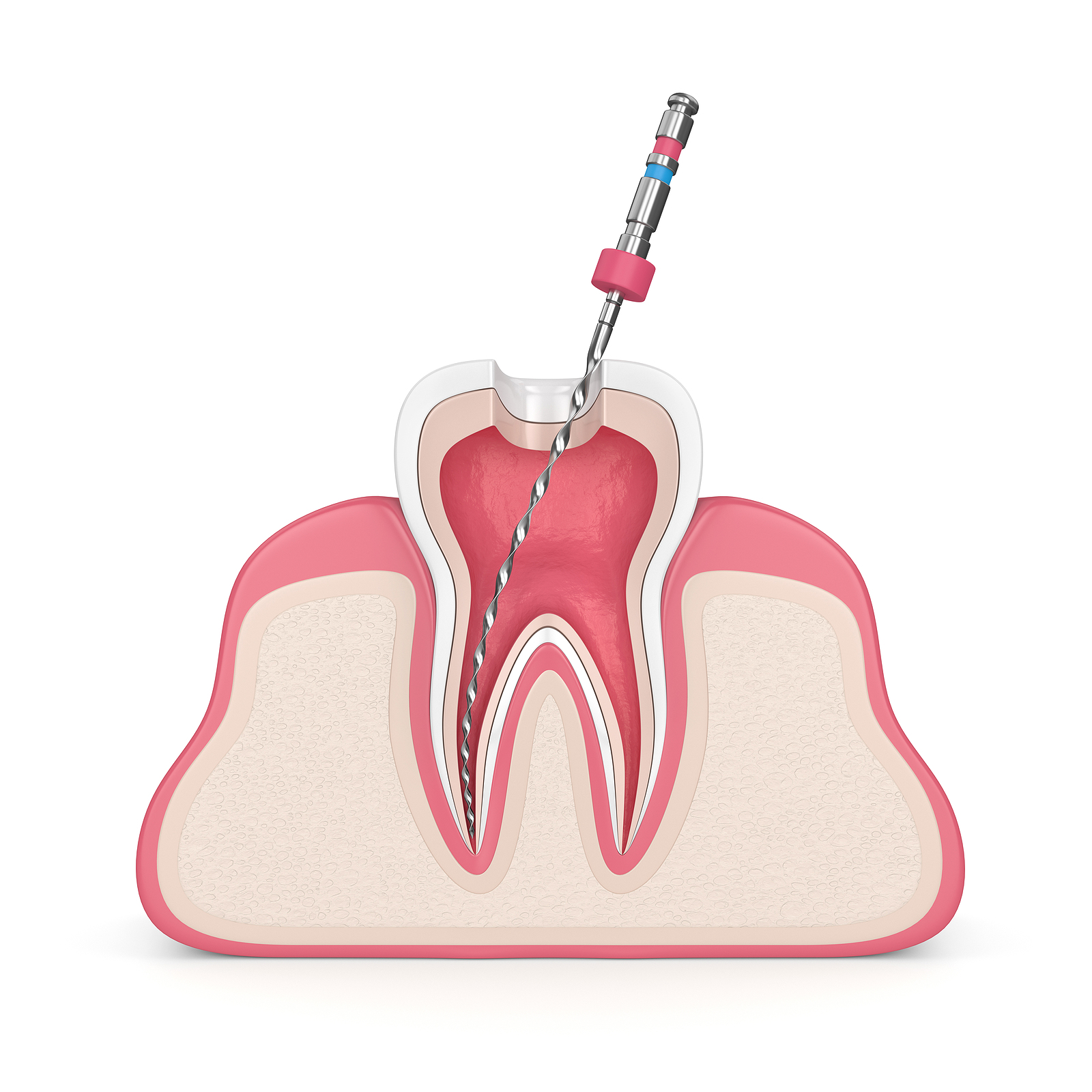
Root canal re-infection, cavitation, unhealthy tissue formation under the bone, and chronic jaw infection are often overlooked complications that can develop after root canal treatment. In some cases, unhealthy or necrotic tissue can form beneath the bone years after a root canal, slowly worsening over time and leading to infection, cavitation, and chronic inflammation. Often without obvious symptoms.
What Can Happen After a Root Canal
A root canal removes the infected nerve tissue from inside a tooth, but the tooth itself remains embedded in the jawbone. While the procedure may resolve immediate pain, the tooth itself is now considered “dead” and has now lost its own healing property. Moreover, if the surrounding bone and tissues do not heal properly, the tooth may easily get reinfected. If microscopic bacteria, toxins, or dead tissue remain near the root tip or within the bone, the area may never fully recover.
Because this process can be slow and silent, many patients feel fine for years before any issues surface.
How Unhealthy Tissue Develops Over Time
When unhealthy tissue remains beneath the bone, it can disrupt normal blood flow and immune response. Over time, the body may struggle to clear the area, allowing bacteria to persist. This can gradually lead to:
- Chronic, low-grade infection
- Bone degeneration
- Cavitations (areas of hollow or damaged bone)
- Jaw pressure, discomfort, or sensitivity
- Ongoing immune system stress
These changes often occur without pain, making them easy to miss.
Why Cavitations Are Often Undetected
Standard dental X-rays may not always show early or hidden bone pathology. Cavitations and unhealthy tissue beneath the bone can be subtle and require advanced imaging, such as CBCT scans, to be properly evaluated. Without this technology, these issues may go undiagnosed for years.
How a Biological Dentist Can Help
A biological dentist looks beyond the tooth and evaluates how oral conditions affect the entire body. When assessing areas associated with previous root canal treatment, a biological dentist may:
- Use 3D CBCT imaging to evaluate bone health
- Identify signs of chronic infection or cavitation
- Remove unhealthy or infected tissue when appropriate
- Thoroughly clean and disinfect the area
- Support healing using biologically compatible therapies
The focus is on addressing the root cause, not just managing symptoms.
A Whole-Body Perspective on Healing
Unhealthy tissue beneath the bone may not cause immediate pain, but it can quietly impact overall health over time. Re-evaluating past dental work through a biological lens can help uncover hidden issues and provide options for long-term healing and stability.
If you have a history of root canal treatment and ongoing inflammation, discomfort, or unexplained health concerns, a biological dental evaluation may offer valuable insight.