
When patients look into dental implants today, many are no longer focused on function alone; they’re also thinking about biocompatibility, long term affects to whole body health, and aesthetics.
Zirconia implants have emerged as a leading option for those seeking a metal-free, biologically aligned solution for tooth replacement.
What Are Zirconia Implants?
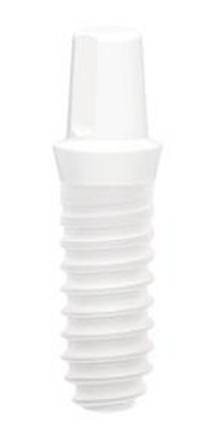
Zirconia implants are made from zirconium dioxide, a strong, tooth-colored ceramic material. Unlike traditional implants, they are completely metal-free.
Why Patients Are Choosing Zirconia Implants
1. True Metal-Free, Biocompatible Solution
Zirconia implants are ideal for patients who want to avoid metals in their body.
They:
- Do not corrode or release toxic metal ions
- Do not conduct electricity, also known as galvanism
- Are highly compatible with surrounding bone and gum tissue
For patients focused on whole-body health, this aligns with a more natural and integrative approach to care.
2. Zirconia interacts very favorably with soft tissue:
- Encourages tight gum attachment
- Less irritation compared to metal surfaces
- Supports long-term tissue stability
Clinically, this often translates to:
- Healthier-looking gums
- Lower risk of inflammation
- Better long-term maintenance
3. Superior Aesthetics
Because zirconia is naturally white:
- No gray or dark shadow under the gums
- Ideal for front teeth and thin tissue types
- Maintains a natural appearance even if gum levels change
This makes zirconia implants particularly desirable for cosmetic areas.
4. Strength and Long-Term Stability
Modern zirconia implants are engineered for durability.
They:
- Are highly resistant to fracture
- Integrate well with bone (osseointegration)
- Provide stable support for crowns and bridges
With proper case selection and placement, they can offer predictable long-term outcomes.
Zirconia vs Traditional Metal Implants
| Feature | Zirconia Implants | Traditional Implants |
| Material | Ceramic (metal-free) | Metal-based |
| Bacterial risk | Reduced (no micro-gap) | Higher (connection interface) |
| Aesthetics | Tooth-colored | Gray metal |
| Tissue response | Favorable | Can vary |
| Electrical conductivity | None | Conductive |
A Biological Approach to Implant Placement
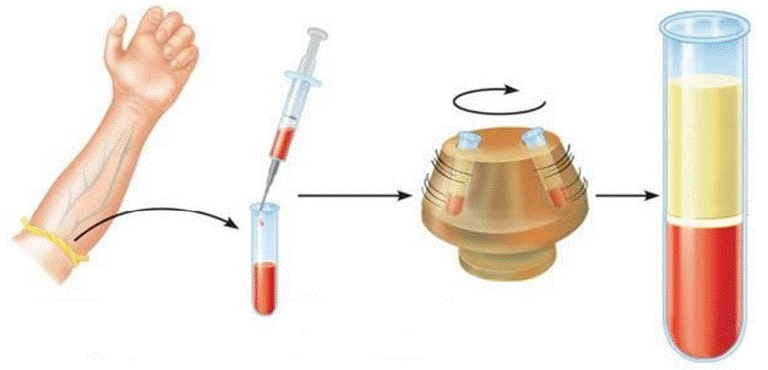
In a biological dental setting, implant placement is approached with a focus on healing, regeneration, and long-term health, not just replacing a tooth.
This may include:
- Thorough removal of infection and unhealthy soft and hard tissue
- Use of PRF (Platelet-Rich Fibrin) to enhance healing
- Biological disinfection to reduce harmful bacteria
- Careful selection of biocompatible materials only
The goal is to:
- Promote natural bone regeneration
- Support a balanced oral microbiome
- Improve overall treatment success
Who Is a Good Candidate?
You may be a good candidate for zirconia implants if you:
- Prefer a metal-free dental solution
- Have sensitivities or concerns about metals
- Want optimal aesthetics in visible areas
- Have a history of gum disease or inflammation
- Are seeking a holistic, whole-body approach to care
A detailed evaluation, including 3D imaging, CBCT, is essential to determine candidacy.
Final Thoughts
Zirconia implants represent a shift toward more biologically aligned, aesthetic, and patient-centered dentistry.
Their metal-free composition and favorable tissue response make them an excellent option for patients who value both function and overall health.
Choosing the right implant system, and more importantly, the right clinical approach, which considers the mouth as part of the body, plays a critical role in long-term success. A thorough, biologically focused treatment plan ensures that the implant not only replaces a tooth but supports your health for years to come.