
Biological dentistry, also known as holistic or functional dentistry,is an approach that recognizes the mouth as an integral part of the entire body. Rather than focusing only on teeth and gums, holistic dentists evaluate how oral health influences and is influenced by systemic health, including the immune system, cardiovascular system, and even neurological health.
This model emphasizes prevention, biocompatibility, and root-cause treatment, aiming to support the body’s natural healing processes rather than simply managing symptoms.
Why Oral Health Matters to Your Whole Body
The mouth is home to a complex ecosystem of bacteria known as the oral microbiome. When balanced, it supports health. When disrupted, it can contribute to inflammation and disease.
Research has linked oral conditions like gum disease to broader health concerns, including:
- Cardiovascular disease
- Diabetes
- Autoimmune conditions
- Chronic inflammation
Biological dentistry focuses on restoring balance, not just removing plaque or treating cavities. It is healing over “drill and fill”.
Key Principles of Holistic Dentistry
1. Biocompatible Materials
Holistic dentists prioritize materials that are compatible with the body. This often includes:
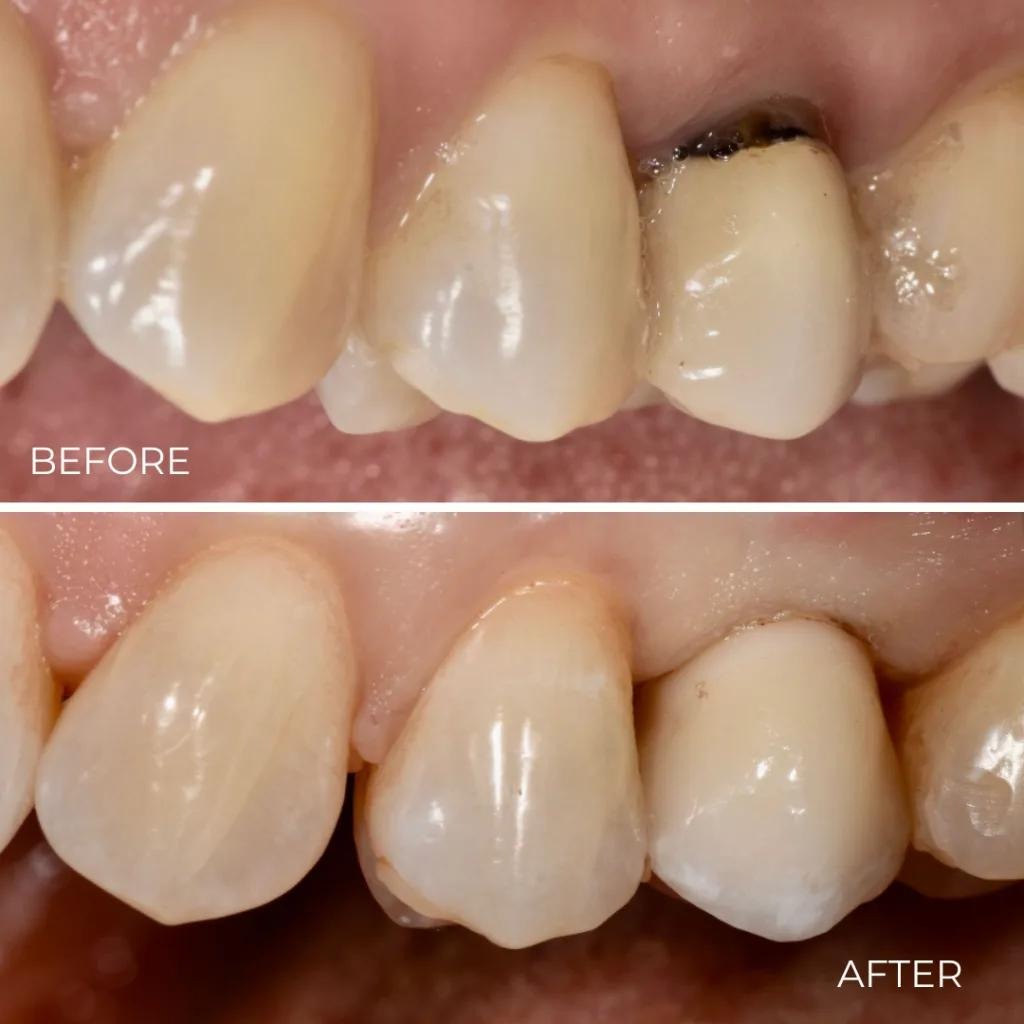
- Metal-free restorations
- Ceramic or zirconia implants
- BPA-free fillings
The goal is to reduce potential toxicity and support long-term health.
2. Root-Cause Treatment
Instead of masking symptoms, holistic care looks deeper:
- Why is there gum disease?
- What is driving decay or infection?
- How is the immune system responding?
This approach often involves evaluating lifestyle, nutrition, and systemic factors.
3. Minimally Invasive Care
Preserving natural tooth structure is a priority. Techniques are designed to:
- Avoid unnecessary drilling
- Support remineralization when possible
- Use gentle, tissue-preserving procedures
4. Oral Microbiome Balance
Rather than simply removing bacteria, holistic dentistry aims to rebalance the oral environment through:
- Targeted cleanings
- Ozone therapy
- Saliva and bacterial testing
This helps create a stable, healthy ecosystem in the mouth.
5. Safe Mercury Removal
For patients with amalgam (silver) fillings, holistic dentists often follow strict safety protocols—such as the SMART protocol—to minimize exposure during removal.
Common Holistic Dental Treatments

6. Ozone Therapy
A natural antimicrobial treatment that helps eliminate harmful bacteria while supporting healing.
Biological Hygiene (Advanced Cleaning)
Goes beyond traditional cleaning by addressing the underlying bacterial imbalance, not just surface plaque.
Zirconia Implants
Metal-free implants designed to be highly biocompatible and aesthetically natural.
Laser Gum Therapy
Minimally invasive treatment to reduce inflammation and promote gum regeneration.
How Holistic Dentistry Differs from Conventional Dentistry
| Conventional Dentistry | Holistic Dentistry |
| Focuses on teeth and gums only | Evaluate oral health while considering whole-body health. |
| Symptom-based treatment | Root-cause approach |
| Uses standard materials | Prioritizes biocompatible materials |
| Remove bacteria by “sterilizing” the mouth | Balances microbiome - keeping the good bacteria, while removing the bad ones with biocompatible material |
| Reactive care | Preventive and proactive care |
Is Holistic Dentistry Right for You?
Holistic dentistry may be especially beneficial if you:
- Prefer a natural or minimally invasive approach
- Have sensitivities to dental materials
- Are concerned about mercury or metal exposure
- Want to improve both oral and overall health
The Future of Dentistry Is Integrative
Holistic dentistry represents a shift toward personalized, patient-centered care—where oral health is no longer treated in isolation but as part of a larger system.
By focusing on prevention, biocompatibility, and the body’s innate ability to heal, this approach offers a more comprehensive path to long-term wellness.